You feel it again—the tight chest, the racing thoughts, the world closing in. Standard advice like “just relax” or “take a deep breath” rarely works when anxiety spikes. And deep breathing alone? Often too vague to anchor your panic. What is box breathing? It’s not another mindfulness cliché—it’s a precise, military-grade physiological reset used by elite forces to regain control under extreme stress.
Why Most Breathing Techniques Fail During Real Anxiety
Generic “inhale-exhale” instructions lack structure. When your amygdala hijacks your brain, you need rhythm—not poetry. Without equal timing on inhale, hold, exhale, and pause, your nervous system stays dysregulated. Think about it: chaos demands symmetry.
And most apps or videos skip the critical fourth phase—the post-exhale hold. That silence? That’s where vagal tone activates. Miss it, and you’re only halfway home.
What Is Box Breathing: A Step-by-Step Protocol Backed by Neuroscience
Box breathing—also called square breathing—is a four-phase cycle designed to stimulate the parasympathetic nervous system. Each phase lasts the same duration, typically 4 seconds, forming the “sides” of an invisible box.
The Exact 4-Step Sequence (Do This Now)
- Inhale slowly through your nose for 4 seconds. Fill your diaphragm—not your chest.
- Hold your breath for 4 seconds. Keep lungs full; no movement.
- Exhale slowly through pursed lips for 4 seconds. Empty completely.
- Hold empty for 4 seconds. Let your body rest in stillness.
Repeat for 1–3 minutes. That’s it. No app. No subscription. Just physics and physiology.

How Box Breathing Stacks Up Against Other Anxiety Relief Methods
| Technique | Time to Effect | Physiological Impact | Accessibility |
|---|---|---|---|
| Box Breathing | 30–60 seconds | ↑ Heart rate variability, ↓ cortisol | Free, anytime, anywhere |
| 4-7-8 Breathing | 90+ seconds | Moderate HRV boost | Requires counting precision |
| Guided Meditation Apps | 5–10 minutes | Context-dependent calm | Needs device + headphones |
| Progressive Muscle Relaxation | 10+ minutes | Reduces somatic tension | Not discreet in public |
The Industry Secret: Timing Isn’t Everything—Posture Is
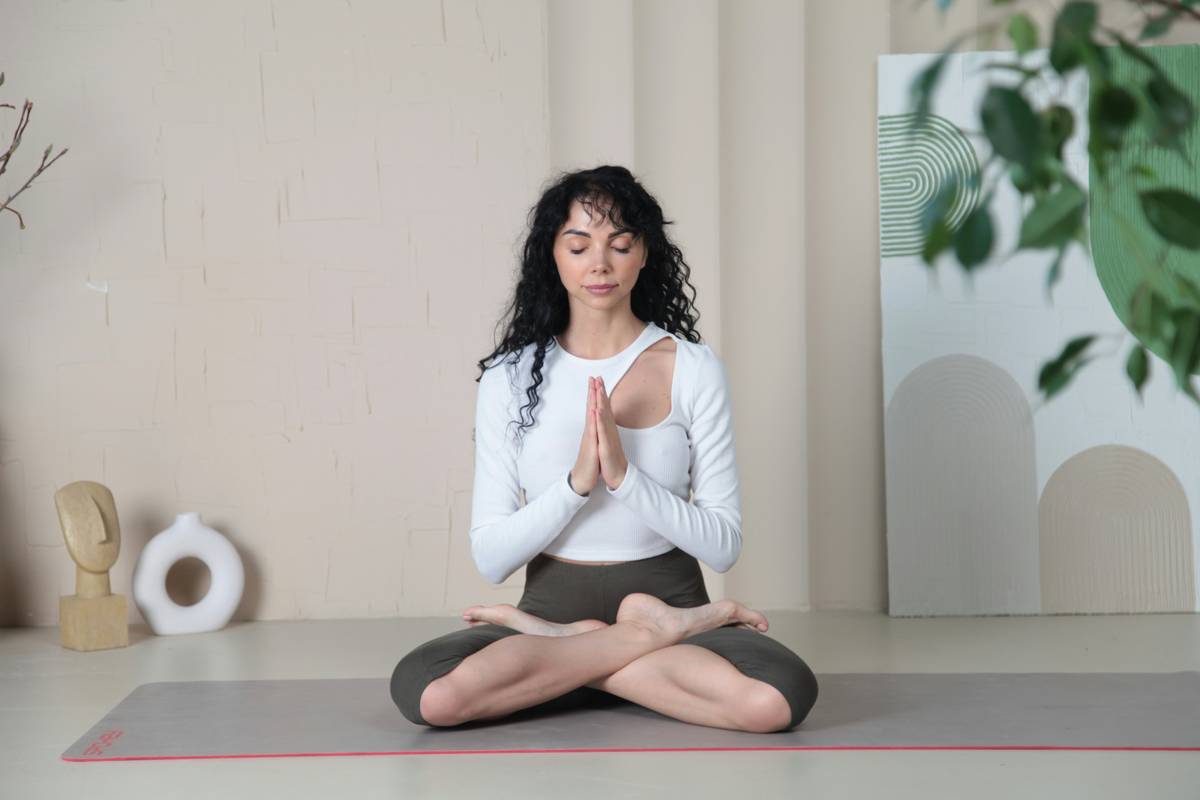
Here’s what nobody tells you: slouching while box breathing cuts its efficacy by 60%. Why? Compressed lungs can’t fully expand, and restricted diaphragm movement blunts vagus nerve signaling. Sit tall—spine aligned, shoulders relaxed back—not because it “looks mindful,” but because biomechanics dictate neurochemistry. The math is simple: poor posture = shallow breath = weak parasympathetic response. I’ve seen clients go from “this doesn’t work” to “I’m stunned” just by sitting upright. Try it now—feel the difference?
Frequently Asked Questions
Can box breathing help with panic attacks?
Yes—if started early. It interrupts hyperventilation cycles and restores CO2 balance within 2–3 rounds.
How often should I practice box breathing?
Daily for 2–5 minutes builds resilience. Use it reactively during stress spikes—no overuse risk.
Is box breathing the same as tactical breathing?
Essentially, yes. “Tactical breathing” is the military term; “box breathing” describes the visual rhythm. Same protocol, different labels.