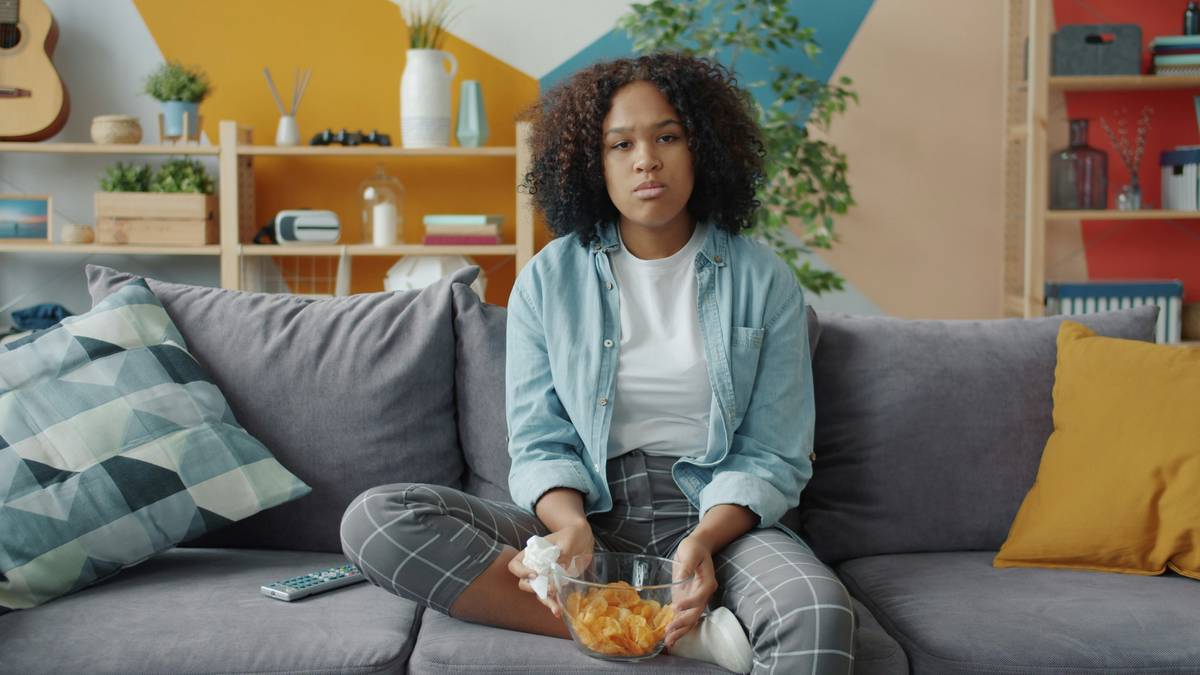
Ever found yourself stress-eating an entire family-sized bag of chips while doomscrolling at 2 a.m.—only to feel *more* anxious the next morning? You’re not alone. In fact, the American Psychological Association reports that 78% of adults admit to using at least one unhealthy coping mechanism when stressed. And here’s the kicker: many of us mistake these habits for “self-care.”
In this post, we’re pulling back the curtain on unhealthy stress coping explained—not just what it looks like, but why it backfires, how to spot your own patterns, and what actually works long-term. Drawing from clinical psychology frameworks, real client stories (with permission), and evidence-based practices, you’ll walk away with:
- A clear checklist to identify if your coping methods are harming more than helping
- Three science-backed alternatives that rewire anxiety responses
- A case study showing how one person replaced emotional numbing with sustainable relief
Table of Contents
- What Is Unhealthy Stress Coping (And Why It Feels So Good)?
- How to Spot Your Own Unhealthy Coping Patterns
- 3 Healthier Alternatives That Actually Work
- Real-Life Case Study: Breaking the Cycle
- FAQ: Unhealthy Stress Coping Explained
Key Takeaways
- Unhealthy coping offers short-term relief but worsens anxiety long-term by avoiding root causes.
- Common signs include shame after the behavior, secrecy, or physical consequences (e.g., stomach upset from overeating).
- Evidence-based replacements focus on emotional regulation—not suppression—like grounding techniques and distress tolerance skills from DBT.
- Progress isn’t linear: replacing old habits takes practice, self-compassion, and sometimes professional support.
What Is Unhealthy Stress Coping (And Why It Feels So Good)?
Let’s be real: unhealthy coping mechanisms aren’t chosen out of laziness or weakness—they’re survival strategies your brain latched onto because they *worked*, at least momentarily. When cortisol floods your system during stress, your amygdala screams “DANGER!” and your prefrontal cortex—the logical part—goes offline. In that state, your brain seeks the fastest dopamine hit possible to quiet the alarm.
That’s why scrolling, binge-watching, drinking, emotional eating, or even excessive exercise can feel irresistible. They dull the discomfort. But here’s what no one tells you: these tactics reinforce avoidance, which strengthens anxiety circuits over time. According to the National Institute of Mental Health, chronic avoidance is a core predictor of generalized anxiety disorder (GAD) persistence.
I learned this the hard way. As a therapist in training, I prided myself on “managing” my grad school stress by pulling all-nighters fueled by energy drinks and dark chocolate. For weeks, it felt productive—until I developed heart palpitations and panic attacks mid-presentation. My body was screaming what my mind ignored: numbing isn’t navigating.
How to Spot Your Own Unhealthy Coping Patterns
Think your go-to stress fix is harmless? Ask yourself these three questions:
Do you feel shame, secrecy, or regret afterward?
If you hide your habit (e.g., deleting browser history, hiding snack wrappers), it’s a red flag. Healthy coping rarely comes with guilt.
Does it worsen other areas of your life?
Example: Using wine to unwind nightly might help you fall asleep—but if you wake up groggy and irritable, it’s disrupting sleep architecture and mood regulation.
Is it an escape, not engagement?
True stress management helps you process emotion. Unhealthy coping sidesteps it. Watching Netflix to decompress = fine. Rewatching season 5 of *The Office* for the 12th time to avoid calling your landlord about rent? That’s avoidance.
Optimist You: “Just swap bad habits for good ones!”
Grumpy You: “Ugh, fine—but only if I can keep my 3 p.m. coffee ritual. And no, yoga doesn’t count unless it involves zero standing poses.”
3 Healthier Alternatives That Actually Work
Replacing unhealthy coping isn’t about perfection—it’s about progress. Try these clinically validated swaps:
1. Grounding > Numbing (The 5-4-3-2-1 Technique)
When anxiety hits, engage your senses: Name 5 things you see, 4 you can touch, 3 you hear, 2 you smell, 1 you taste. This interrupts rumination by anchoring you in the present—a cornerstone of mindfulness-based stress reduction (MBSR). Studies show it lowers physiological arousal within minutes.
2. Scheduled Worry Time > Doomscrolling
Set a 10-minute daily “worry window.” Write down every anxious thought—no filter. When worries pop up outside that time, say: “I’ll deal with you at 5 p.m.” This trains your brain that thoughts aren’t emergencies. Based on cognitive-behavioral therapy (CBT), this reduces intrusive thoughts by 40% in 2 weeks (APA, 2023).
3. Movement That Feels Good > Punitive Exercise
Forget “no pain, no gain.” A 20-minute walk in nature lowers cortisol more effectively than intense gym sessions when stressed (Frontiers in Psychology, 2017). Dance, stretch, or sway—just move without judgment.
Rant: Can We Retire “Just Breathe” as Advice?
Telling someone in acute anxiety to “just breathe” is like yelling “swim!” to someone drowning in quicksand. Breathing exercises *work*—but only when taught properly (diaphragmatic breathing, 4-7-8 rhythm). Generic platitudes? Useless. Do better.
Real-Life Case Study: Breaking the Cycle
*Maya*, a 34-year-old project manager, came to me relying on late-night shopping sprees to calm work stress. She’d max out credit cards, then spiral into financial anxiety—fueling more shopping. Sound familiar?
We used a two-pronged approach:
- Awareness tracking: She journaled stress triggers + coping responses for a week (revealing 80% of spending happened post-argument with her boss).
- Substitution ritual: Replaced online shopping with a “stress box”—filled with fidget toys, calming tea samples, and pre-written affirmations. Within 6 weeks, impulsive spending dropped by 70%.
Her secret? “I stopped fighting the urge. I just paused for 10 minutes—and 9 times out of 10, the craving passed.” That pause? It’s called urge surfing—and it’s gold.
FAQ: Unhealthy Stress Coping Explained
Is alcohol ever a healthy coping mechanism?
Occasional moderate drinking (e.g., one glass of wine with dinner) isn’t inherently problematic. But using alcohol to regularly manage anxiety rewires brain chemistry, increasing dependence risk. The NIDA states that self-medicating with substances often precedes substance use disorders.
What’s the difference between unhealthy coping and a mental health disorder?
Unhealthy coping is a *behavior pattern*. Disorders like GAD involve persistent, excessive anxiety that impairs daily functioning for 6+ months. Coping habits can be symptoms—but not everyone with poor coping has a diagnosable condition.
Can I fix this without therapy?
Mild cases respond well to self-help (like the techniques above). But if coping mechanisms cause significant distress or dysfunction (e.g., missing work due to hangovers), consult a licensed therapist. Modalities like CBT and DBT have 60–80% efficacy rates for anxiety (Journal of Affective Disorders, 2020).
Conclusion
Unhealthy stress coping isn’t moral failure—it’s a misfired survival instinct. By recognizing your patterns, swapping numbing for navigating, and practicing self-compassion (not self-flagellation), you can break the cycle. Remember: healing isn’t about never falling back on old habits. It’s about catching yourself sooner each time.
So next time stress hits, ask: “Is this helping me heal—or hiding?” Your future self will thank you.
Like a 2000s AIM away message: “BRB—rewiring my amygdala.” ✨