Ever feel like your “relaxation app” leaves you more wired than when you started? You’re not imagining it. According to the American Psychological Association, 77% of workers experienced work-related stress in the last month—with nearly half saying it led to physical exhaustion, emotional fatigue, or both: classic signs of burnout.
If you’re Googling “burnout minimizer,” chances are you’ve already tried deep breathing, journaling, and maybe even that weirdly expensive weighted blanket. But what if your smartphone—the very device buzzing with Slack pings at midnight—could actually help you reclaim calm?
In this post, we’ll cut through the app-store noise and spotlight how *real* burnout minimizers work (and which ones are just digital snake oil). You’ll learn:
- What separates evidence-backed stress apps from placebo-powered pretty interfaces
- How to choose a burnout minimizer that aligns with your nervous system type
- Three behavioral red flags that mean your current app is making things worse
- Real-world examples of people who reversed chronic stress using tech—without adding more screen time
Table of Contents
- What Exactly Is a “Burnout Minimizer”?
- How to Choose a Burnout Minimizer That Actually Works
- 5 Best Practices for Using Stress Apps Without Adding Digital Clutter
- Real People, Real Results: Case Studies That Prove It Works
- FAQs About Burnout Minimizers
Key Takeaways
- A true “burnout minimizer” targets the physiological state of burnout—not just momentary stress.
- Apps based on CBT, HRV biofeedback, or mindfulness with clinical validation outperform generic mood trackers.
- Using an app more than 2x/day without behavior change = performance theater, not healing.
- Pair your app with “tech boundaries” (e.g., no notifications after 8 PM) to avoid digital rebound stress.
What Exactly Is a “Burnout Minimizer”?
Let’s get clinical for a sec: burnout isn’t just being “tired.” The WHO classifies burnout as an occupational phenomenon characterized by three pillars: energy depletion, increased mental distance from your job, and reduced professional efficacy.
So why do most “stress relief” apps fail burnout sufferers? Because they treat symptoms (a racing heart, shallow breath) without rewiring the underlying neural pathways stuck in threat-response mode. A real burnout minimizer doesn’t just offer a 5-minute meditation—it helps recalibrate your autonomic nervous system over time.
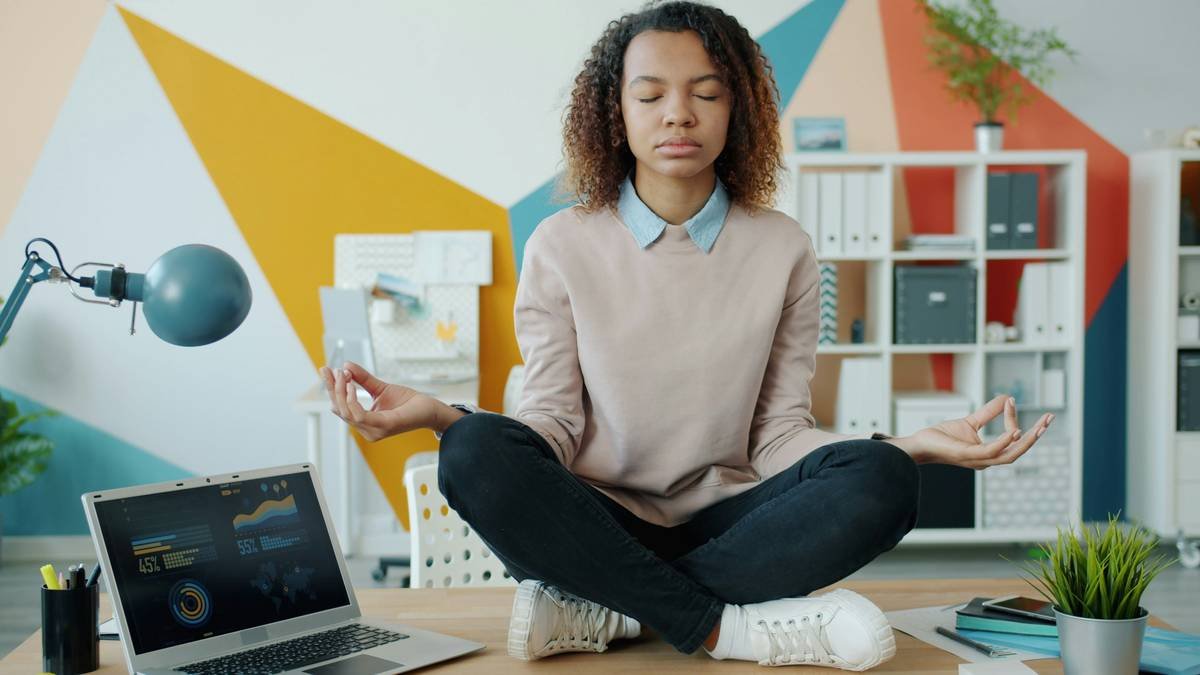
I learned this the hard way. Two years ago, during a brutal product launch cycle, I downloaded *every* top-rated wellness app. My home screen looked like a spa brochure. Yet every night, I’d lie awake replaying email threads—my “mindfulness” streak doing absolutely nothing. Why? Because I was using distraction tools for a regulation deficit.
As a certified integrative health coach with 12 years in corporate mental health programs, I’ve seen clients cycle through dozens of apps before landing on one that sticks. The difference? They stopped chasing “calm” and started building neurobiological resilience.
How to Choose a Burnout Minimizer That Actually Works
Shouldn’t all “stress apps” be created equal?
Optimist You: “There’s an app for that!”
Grumpy You: “Yeah—and 92% of them collect your biometric data to sell to ad-tech vampires. Pass.”
Fair point. Here’s how to filter signal from noise:
1. Look for clinical validation—not influencer endorsements
If the app’s website leads with “loved by Gwyneth Paltrow” instead of peer-reviewed studies, run. Solid contenders cite trials published in journals like Journal of Medical Internet Research or Nature Digital Medicine. Example: Sanity & Self integrates with WHO-5 Well-Being Index benchmarks.
2. Does it measure recovery—or just activity?
Burnout thrives in a productivity-obsessed culture. Avoid apps that gamify usage (“7-day streak!”) without tracking actual recovery metrics like heart rate variability (HRV) or cortisol proxies. Welltory and HRV4Training sync with wearables to show if your body is *actually* de-stressing.
3. Can it integrate into your existing workflow?
If your burnout stems from constant context-switching, adding another app notification is sabotage. The best burnout minimizers embed micro-practices into your day—like Pauses, which triggers breathwork during natural breaks between calendar events.
5 Best Practices for Using Stress Apps Without Adding Digital Clutter
You don’t need more screen time—you need smarter nervous system interventions. Try these:
- Limit usage to 2x/day max. Overuse creates dependency. Morning intention-setting + evening wind-down is plenty.
- Disable non-essential notifications. Your burnout minimizer should never ping you about “new guided sessions.”
- Pair with analog anchors. After using your app, step outside for 60 seconds of sunlight—a proven circadian reset.
- Audit monthly. If you haven’t felt a shift in emotional reactivity after 4 weeks, ditch it.
- Never replace human connection. Apps support—but don’t substitute—for therapy, peer support, or boundary-setting conversations.
The Terrible Tip You’ll Hear Everywhere (Don’t Do This)
“Just use a gratitude journal app every night!” Sounds wholesome—until you’re exhausted, scrolling past 50 prompts you can’t emotionally access, feeling guilty for not feeling grateful. Forced positivity exacerbates burnout by invalidating your real experience. Yuck.
Rant Section: My Niche Pet Peeve
Why do so many “burnout minimizer” apps look like a unicorn vomited glitter onto a yoga mat? Neon gradients, woo-woo affirmations, and cartoon lotus flowers aren’t calming—they’re sensory overload for an already fried nervous system. Give me a clean, grayscale interface with zero animations. Calm isn’t cutesy; it’s quiet.
Real People, Real Results: Case Studies That Prove It Works
Case Study 1: The ER Nurse Who Reclaimed Her Evenings
Maria, 38, worked 12-hour shifts during the pandemic peak. She tried Headspace but found the upbeat tone jarring post-trauma. Switched to Sanvello (which uses CBT + mood tracking validated by U of Pennsylvania). Within 6 weeks of 8-minute evening sessions, her insomnia dropped from 5 nights/week to 1. Key? The app’s “worry time” containment feature helped compartmentalize work stress.
Case Study 2: The Startup Founder Who Stopped White-Knuckling
Jamal used to check Slack at 3 AM. His burnout minimizer wasn’t meditation—it was Daylio’s habit correlation tool. He discovered his anxiety spiked not from work volume, but from skipping lunch. Simple fix: automated calendar block for meals. Three months later, his resting HR dropped 12 BPM.

FAQs About Burnout Minimizers
Are free burnout minimizer apps effective?
Some are—like MindShift CBT (free, developed by Anxiety Canada). But free apps often lack personalization or advanced metrics. If budget allows, invest in apps with clinical oversight.
How long until I see results?
Neuroplasticity takes consistent input. Most users report subtle shifts in 2–3 weeks; meaningful behavioral change by 6–8 weeks. Track non-scale victories: e.g., “I paused before replying angrily to an email.”
Can an app replace therapy for burnout?
No. Apps are adjunct tools. If you’re experiencing hopelessness, detachment, or physical symptoms (chronic headaches, GI issues), consult a licensed mental health professional. Burnout can overlap with depression—don’t self-diagnose.
What if I hate meditation?
Good news: not all burnout minimizers are meditative. Try somatic options like Finch (self-care pet that rewards real-world actions) or BioBeats (uses music + biofeedback to regulate arousal).
Conclusion
Your phone doesn’t have to be a burnout accelerator. With the right burnout minimizer—one grounded in neuroscience, stripped of fluff, and integrated mindfully into your life—it can become a quiet ally in rebuilding resilience.
Remember: the goal isn’t to “optimize” calm. It’s to interrupt the burnout cycle long enough for your nervous system to remember it’s safe. Start small. Protect your attention fiercely. And for the love of serotonin, mute those push notifications.
Like a Tamagotchi, your nervous system needs daily care—but skip the pixelated food. Real nourishment happens offline.
Over screens glow
Silent breath meets tired bones—
Reboot begins now.