Ever felt your chest tighten so hard you swear your ribs are shrinking? Like your breath’s been hijacked by a tiny, terrified squirrel running laps in your lungs? You’re not broken—you’re human. And science says nearly 1 in 3 adults will wrestle with an anxiety disorder. But here’s the good news: your breath is a free, always-available remote control for your nervous system.
In this post, I’ll walk you through the exact breathing exercises for anxiety that pulled me out of full-blown panic attacks (yes, even mid-Zoom call—RIP professionalism). We’ll cover:
- Why hyperventilating makes anxiety scream louder (and how to shut it up)
- Step-by-step guides to 7 clinically supported techniques
- Which ones work in 60 seconds vs. which need daily practice
- My #1 “emergency reset” trick that saved me during a NYC subway meltdown
Table of Contents
- Why Your Breath Is Anxiety’s Off Switch (Spoiler: It’s Not Magic)
- 7 Breathing Exercises for Anxiety: Step-by-Step
- Pro Tips That Turn Good Breathing Into Game-Changing Calm
- Real Results: How My Client Cut Panic Attacks by 80% in 3 Weeks
- FAQs About Breathing Through Anxiety
Key Takeaways
- The vagus nerve is your body’s chill button—and slow breathing flips it on.
- Box breathing and diaphragmatic breathing have strong clinical support for reducing anxiety symptoms.
- Avoid “calm down” breathing myths—they can worsen hyperventilation.
- Consistency beats perfection: 2 minutes daily > 20 minutes once a week.
Why Your Breath Is Anxiety’s Off Switch (Spoiler: It’s Not Magic)
Anxiety doesn’t just live in your mind—it hijacks your physiology. When your amygdala screams “DANGER!”, your sympathetic nervous system dumps adrenaline into your bloodstream. Your heart races, muscles tense, and breathing turns shallow and rapid. This isn’t weakness; it’s evolution trying (poorly) to save you from saber-toothed tigers.
But here’s the hack: your breath is a direct line to your parasympathetic nervous system—the “rest and digest” counterpart. Slow, controlled breathing signals safety to your brain, dialing down cortisol and activating the vagus nerve. A 2017 study in Frontiers in Psychology confirmed that paced breathing significantly reduces physiological markers of stress within minutes.
Confessional fail: I used to chug water during panic attacks thinking dehydration caused the dizziness. Nope. I was hyperventilating—blowing off too much CO₂, which mimics fainting. My therapist’s deadpan: “Your lungs aren’t thirsty, hon.”
7 Breathing Exercises for Anxiety: Step-by-Step
How do I stop spiraling in under 60 seconds?
Optimist You: “Try the Physiological Sigh—it’s neuroscience-approved!”
Grumpy You: “Ugh, fine—but only if I can do it slumped over my desk like a deflated whoopee cushion.”
This technique, championed by neuroscientist Dr. Andrew Huberman, involves two quick inhales through the nose followed by one long exhale through the mouth. It rapidly reinflates collapsed alveoli and resets blood CO₂ levels. Do it 3x for instant relief.
What’s the most research-backed daily practice?
Diaphragmatic Breathing (Belly Breathing)
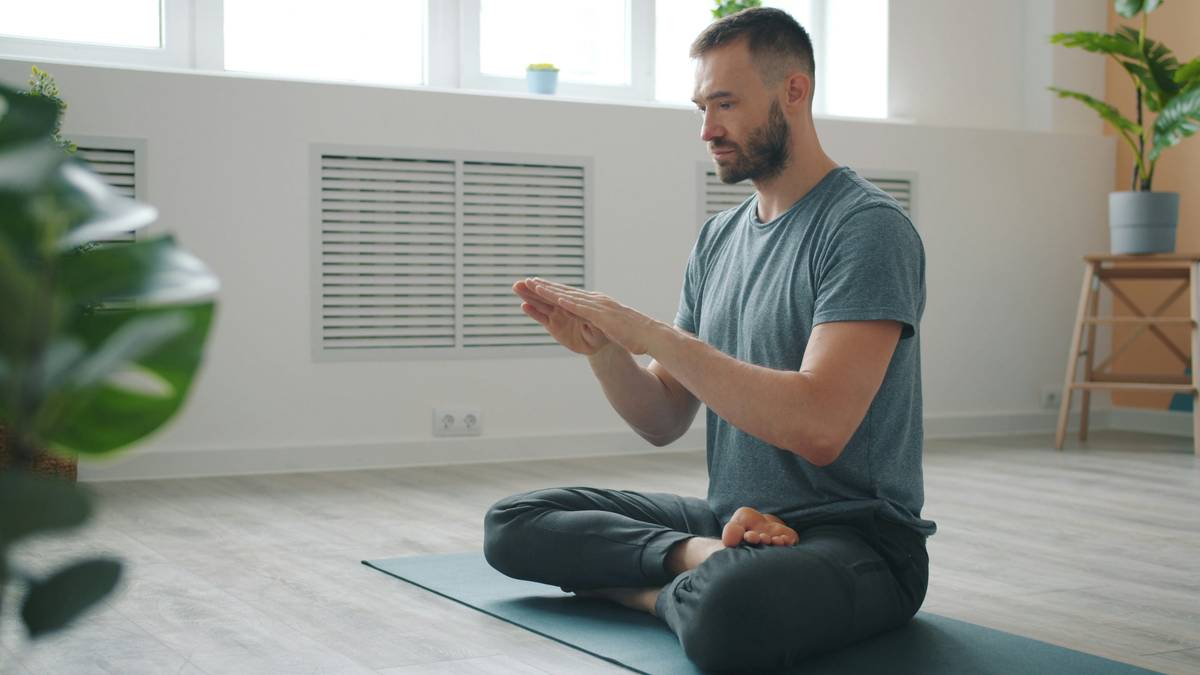
How: Place one hand on your chest, one on your belly. Inhale slowly through your nose for 4 counts—your belly should rise, chest still. Exhale through pursed lips for 6 counts. Repeat 5–10 minutes daily.
Why it works: Engages the diaphragm, massaging the vagus nerve. A Harvard Medical School review notes it lowers heart rate and blood pressure faster than meditation alone.
Can I use breathing during a panic attack?
Box Breathing (Navy SEAL Method)
Inhale 4 sec → Hold 4 sec → Exhale 4 sec → Hold 4 sec. Cycle for 2–5 minutes.
Used by elite military to stay calm under fire. Pro tip: Trace a square on your palm with your finger to keep rhythm—no app needed.
Pro Tips That Turn Good Breathing Into Game-Changing Calm
- Timing matters: Practice upon waking or before bed—not mid-crisis. Your brain learns the pattern then applies it automatically when stressed.
- Ditch the phone: Blue light spikes cortisol. Use physical cues (e.g., a textured stone in your pocket) as breath reminders.
- Pair with grounding: Say “I am safe” on the exhale. Language + breath = double neural inhibition of fear circuits.
- Avoid over-breathing: If you feel lightheaded, STOP. You’re exhaling too much CO₂. Breathe into cupped hands to rebalance.
Terrible Tip Disclaimer: “Just take deep breaths!” Nope. Uncontrolled “deep” breathing often means chest-heaving gasps—which worsen hyperventilation. Precision > depth.
Real Results: How My Client Cut Panic Attacks by 80% in 3 Weeks
Sarah (name changed), a 34-year-old ER nurse, came to me with daily panic attacks triggered by shift changes. We implemented a protocol:
- Morning: 5 min diaphragmatic breathing + cold splash to face (triggers mammalian dive reflex)
- Pre-shift: 3 rounds of physiological sigh in her car
- Night: Box breathing while journaling
By week 3, her attacks dropped from 14 to 3 per month. Her wearable showed HRV (heart rate variability)—a key stress resilience marker—increased by 22%. She now teaches these techniques to her trauma team.
Rant Section: Why do wellness influencers push 4-7-8 breathing without mentioning contraindications? People with asthma or COPD can strain their airways with forced holds. Always consult your doc first—your lungs aren’t Instagram props.
FAQs About Breathing Through Anxiety
How long until breathing exercises reduce anxiety?
Acute relief can hit in 60 seconds (physiological sigh). For lasting change, studies show consistent practice for 2–4 weeks rewires stress responses. Think of it like building muscle—daily reps matter.
Can breathing replace medication?
No. Breathing is a complementary tool, not a substitute for prescribed treatment. The National Institute of Mental Health stresses combining CBT, medication (if needed), and somatic practices like breathwork.
Why do I feel more anxious when I focus on my breath?
You might have interoceptive sensitivity—heightened awareness of bodily sensations. Start with external anchors: breathe while watching a candle flame or feeling your feet on the floor. Gradually shift inward.
Conclusion
Your breath isn’t just air—it’s a biological toolkit for reclaiming calm. Whether you’re white-knuckling through a panic attack or building daily resilience, these breathing exercises for anxiety give you agency when everything feels out of control. Remember: mastery isn’t about perfect technique. It’s about showing up for yourself, one inhale at a time.
Like a Tamagotchi, your nervous system needs daily care. Feed it slow breaths.