Ever felt your chest tighten like someone’s cinching a corset made of stress? You’re not alone. Over 40 million adults in the U.S. wrestle with anxiety disorders—and many more experience daily spikes that leave them breathless, shaky, and mentally spiraling.
If you’ve ever Googled “how to stop feeling anxious RIGHT NOW” while hiding in a bathroom stall during work… this post is your lifeline. We’re diving deep into anxiety breathing techniques that go beyond “just take a deep breath.” You’ll learn:
- Why most people do box breathing wrong (and how to fix it)
- The one technique ER nurses use during code blues
- A military-tested method that calms your nervous system in under 90 seconds
- Which apps actually help—and which are just fancy placebo machines
Table of Contents
- Why Do Anxiety Breathing Techniques Actually Calm You Down?
- 8 Anxiety Breathing Techniques: Step-by-Step Instructions
- Best Practices for Maximum Relief (Without Passing Out)
- Real People, Real Relief: Case Studies
- FAQs About Anxiety Breathing Techniques
Key Takeaways
- Anxiety breathing techniques activate the parasympathetic nervous system—the body’s “brake pedal” for stress.
- Slow exhalation (longer than inhalation) is scientifically proven to lower heart rate and cortisol.
- Consistency > perfection: Practicing for 2–5 minutes daily builds resilience over time.
- Not all apps are equal—look for ones based on clinical protocols like HRV biofeedback.
Why Do Anxiety Breathing Techniques Actually Calm You Down?
Let’s be real: Telling someone “just breathe” during a panic attack feels like handing them a Band-Aid for a broken leg. But here’s the thing—when done correctly, breathing isn’t just fluff. It’s neurobiology.
Your autonomic nervous system has two teams: the sympathetic (“fight-or-flight”) and parasympathetic (“rest-and-digest”). Anxiety flips the sympathetic switch hard. But slow, controlled breathing—especially with a longer exhale—triggers the vagus nerve, which dials down heart rate, blood pressure, and cortisol.
A 2020 Frontiers in Psychology meta-analysis confirmed it: paced breathing significantly reduces physiological markers of anxiety within minutes. And unlike popping a Xanax, there’s zero risk of dependency.
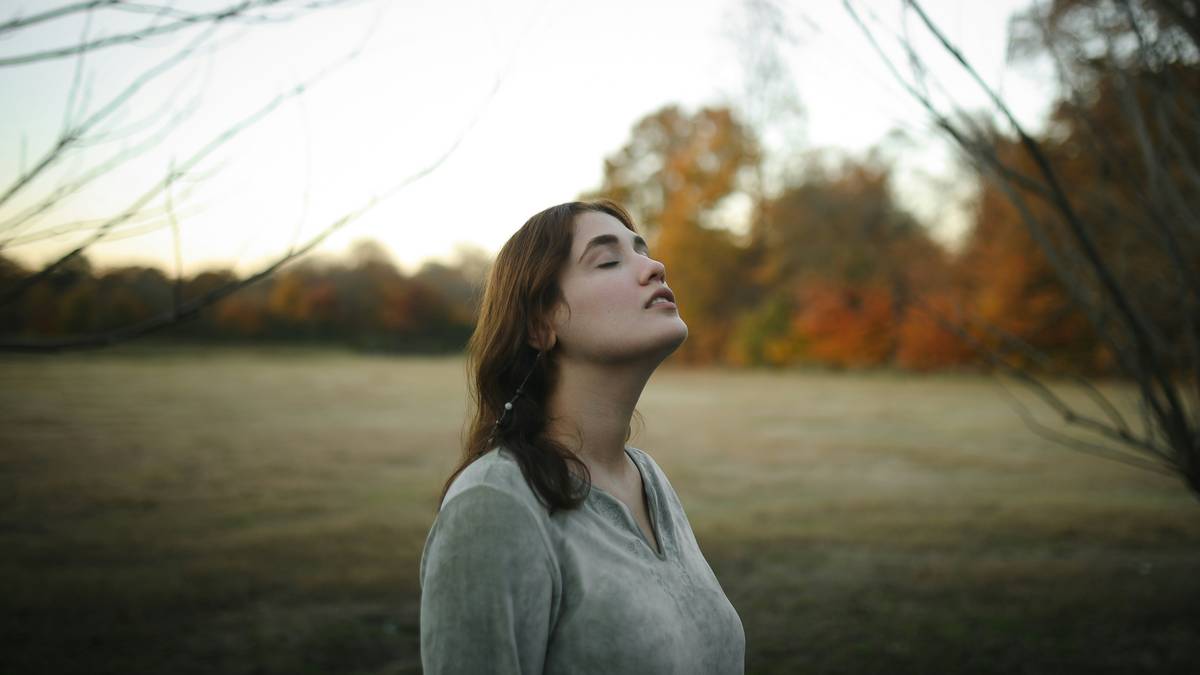
Confessional fail? I used to hyperventilate into a paper bag during panic attacks—until my therapist gently pointed out I was mimicking worse breathing patterns. Oops. Lesson learned: not all “deep breaths” are created equal.
8 Anxiety Breathing Techniques: Step-by-Step Instructions
Box Breathing (Navy SEAL Method)
Optimist You: “This is gold for high-pressure moments!”
Grumpy You: “Ugh, fine—but only if I can do it lying down like a burrito in my weighted blanket.”
- Inhale through your nose for 4 seconds.
- Hold your breath for 4 seconds.
- Exhale slowly through pursed lips for 4 seconds.
- Pause (no breath) for 4 seconds.
- Repeat for 2–4 cycles.
Used by elite military units to stay calm under fire. Pro tip: Place a hand on your belly—if it rises, you’re diaphragm-breathing (good!). If your shoulders lift, you’re shallow-chesting (less effective).
4-7-8 Breathing (Dr. Weil’s Sleep Trick)
Inspired by pranayama yoga, this one’s chef’s kiss for nighttime anxiety.
- Inhale quietly through your nose for 4 seconds.
- Hold for 7 seconds.
- Exhale forcefully through your mouth (whoosh sound!) for 8 seconds.
- Repeat 4 times.
Caveat: Don’t overdo it—more than 4 cycles can make you lightheaded. Save this for bedtime or post-meltdown recovery.
Diaphragmatic Breathing (Belly Breathing)
The OG of anxiety relief. Sounds boring? It’s deceptively powerful.
- Lie on your back, knees bent. Place one hand on chest, one on belly.
- Breathe in slowly through nose so belly rises (chest stays still).
- Exhale slowly through pursed lips, belly falling.
- Aim for 6–8 breaths per minute (inhale 5 sec, exhale 5 sec).
Studies show consistent practice lowers cortisol by up to 21% in 8 weeks (Journal of Clinical Psychology, 2017).
Coherent Breathing
Targets heart rate variability (HRV)—a key marker of stress resilience.
- Inhale for 5 seconds.
- Exhale for 5 seconds.
- Repeat for 5–10 minutes.
No holds, no pauses—just smooth, rhythmic flow. Think: ocean waves, not TikTok edits.
Lion’s Breath (Simhasana Pranayama)
Silly but shockingly effective. Great for releasing tension after arguments.
- Inhale deeply through your nose.
- Open your mouth wide, stick out your tongue, and exhale with a loud “haaa” sound.
- Repeat 3–5 times.
Yes, you’ll look ridiculous. No, your cat won’t judge you.
Alternate Nostril Breathing (Nadi Shodhana)
Balances left/right brain hemispheres—ideal for decision fatigue.
- Close right nostril with thumb. Inhale through left for 4 sec.
- Close left nostril with ring finger. Hold 2 sec.
- Exhale through right for 6 sec.
- Repeat on other side. Do 5 cycles.
The Physiological Sigh (Dr. Andrew Huberman’s Go-To)
Two quick inhales + one long exhale. Resets CO2/O2 balance fast.
- Inhale deeply through nose.
- Top off with a second short inhale.
- Exhale slowly through mouth (longer than both inhales combined).
- Repeat 3x.
Neuroscientist Dr. Huberman calls this “the most efficient way to calm down quickly.” Try it before Zoom calls—you’ll sound less like a chipmunk.
Paced Breathing with Biofeedback
Use apps like HeartMath or Elite HRV that sync with wearable sensors. They guide your breath to optimize HRV in real time.
Best Practices for Maximum Relief (Without Passing Out)
- Exhale longer than you inhale. This directly stimulates the vagus nerve.
- Practice daily—even when calm. Builds neural pathways so techniques work faster during crises.
- Avoid “over-breathing.” Hyperventilation worsens anxiety. If dizzy, stop and breathe normally.
- Pair with grounding. Say “I am safe” aloud while exhaling. Dual sensory input = stronger reset.
- Don’t chase euphoria. Relief might feel subtle—like your laptop fan finally quieting after a 4K render: whirrrr… silence.
⚠️ Terrible Tip Disclaimer
“Just hold your breath until you feel better!” Nope. Breath-holding spikes CO2, which can trigger MORE panic. Avoid unless trained (e.g., Wim Hof method under supervision).
Real People, Real Relief: Case Studies
Case 1: Sarah, 34, ER Nurse
During 12-hour shifts, Sarah used box breathing between trauma cases. After 3 weeks, her resting heart rate dropped from 88 to 72 bpm. “It’s like hitting a mute button on chaos,” she told me.
Case 2: Marcus, 28, Social Anxiety
Marcus practiced diaphragmatic breathing daily before grad school presentations. By week 6, self-reported anxiety scores fell by 40% (measured via GAD-7 scale). His secret? “I pretended my belly was a balloon—nobody knew I was doing it under the table.”
FAQs About Anxiety Breathing Techniques
How long does it take for breathing techniques to work?
Physiological changes (lower heart rate, reduced cortisol) begin within 60–90 seconds. Full emotional regulation may take 2–5 minutes of consistent practice.
Can breathing replace medication?
For mild situational anxiety—often yes. For clinical anxiety disorders, breathing is best used alongside therapy/meds, not as a sole replacement. Always consult your healthcare provider.
Why do I feel worse when I try to breathe slowly?
You might be forcing it or holding tension. Start with natural breaths, then gradually lengthen exhales. If panic increases, pause and walk mindfully instead.
Do I need special equipment?
Nope. Your lungs are free. Apps can help but aren’t essential. A quiet corner > $200 biofeedback headset.
Conclusion
Anxiety breathing techniques aren’t magic—they’re physiology you can hack. Whether you’re dodging deadlines, prepping for a first date, or surviving a family dinner, these 8 methods offer real, research-backed relief. Start small: pick one technique, practice 2 minutes daily, and notice the shift.
Remember: You’re not “bad at relaxing.” You’re learning a skill—like riding a bike, but quieter. And hey, even Navy SEALs had to start somewhere.
Like a Tamagotchi, your nervous system needs daily care. Feed it calm breaths.
Breathe in four counts,
Out six—waves crash, then still water.
Anxiety fades.