Ever feel like your brain’s running a 24/7 spin cycle—laundry full of deadlines, bills, and that one unread text you’ve been ignoring since Tuesday? You’re not alone. According to the American Psychological Association (2023), 77% of adults regularly experience physical symptoms caused by stress—and nearly as many report emotional fallout. Yikes.
If you’re Googling “how to cope with stress daily” at 2 a.m., heart pounding like a drum solo while doom-scrolling memes about existential dread… this post is your lighthouse. No toxic positivity. No vague “just breathe” nonsense. Just practical, evidence-based strategies forged in real life—not theory.
By the end, you’ll know how to:
- Interrupt stress spirals before they hijack your nervous system
- Use micro-habits backed by neuroscience (not Instagram gurus)
- Avoid “stress hacks” that backfire harder than a yoga pose gone wrong
Table of Contents
- Why Daily Stress Matters (Even If You “Handle It Fine”)
- Step-by-Step Guide: Build Your Personalized Daily Stress Toolkit
- 5 Best Practices for Sustainable Stress Resilience
- Real Case Study: From Burnout to Balance in 28 Days
- FAQs About Coping with Daily Stress
Key Takeaways
- Chronic low-grade stress erodes mental and physical health—even if you feel “fine.”
- Effective daily coping relies on consistency, not perfection. Two minutes counts.
- The #1 mistake? Waiting until you’re overwhelmed to act. Prevention > crisis management.
- Techniques like diaphragmatic breathing and sensory grounding have strong clinical support (APA, NIH).
- Your nervous system responds best to personalized, tiny rituals—not one-size-fits-all advice.
Why Daily Stress Matters (Even If You “Handle It Fine”)
Here’s the brutal truth most wellness blogs won’t tell you: Humans aren’t designed for the modern stress load. Our ancestors faced acute threats—like saber-toothed tigers—that triggered fight-or-flight, then resolved quickly. Today? We’re bombarded by 97 low-grade stressors before breakfast: email pings, traffic jams, climate anxiety, that passive-aggressive Slack message (“Per my last email…”).
When stress becomes chronic, your body stays flooded with cortisol. Over time, this weakens immunity, disrupts sleep, fuels inflammation, and heightens risk for anxiety disorders. The National Institute of Mental Health confirms that unmanaged daily stress is a leading contributor to generalized anxiety disorder (GAD)—which affects over 6 million U.S. adults.
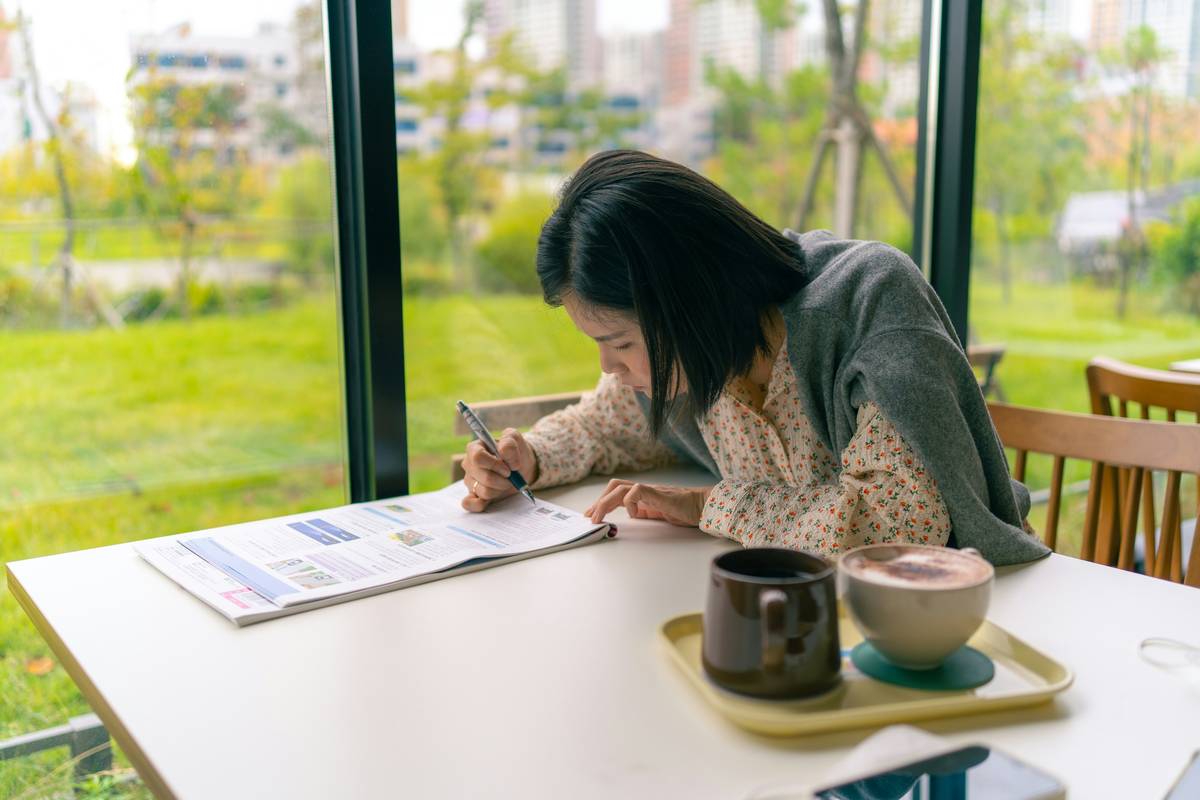
Confessional fail: I once thought “functioning” meant I didn’t need stress tools. Spoiler: My nervous system disagreed. After months of 3 a.m. panic attacks disguised as “late-night productivity,” my therapist gently said, “You’re not coping—you’re compensating.” Cue tears into my third cold brew.
Step-by-Step Guide: Build Your Personalized Daily Stress Toolkit
Forget copying someone else’s 5 a.m. routine. Your stress toolkit should fit your biology, schedule, and temperament. Here’s how to build yours:
What’s your stress signature?
Do you clench your jaw? Scroll mindlessly? Snap at loved ones? Identify your top 2 physical/emotional cues. Tracking them for 3 days reveals patterns (e.g., “Every 3 p.m., I crave sugar and feel dread”). Awareness = power.
Anchor tiny practices to existing habits
Pair stress-busters with routines you already do:
- After brushing teeth → 60 seconds of box breathing (inhale 4 sec, hold 4, exhale 4, hold 4)
- While coffee brews → Name 3 things you see, 2 you hear, 1 you feel (grounding technique)
- Before checking email → Set a 10-second intention (“Today, I respond—don’t react”)
Optimist You:
“Consistency builds neural pathways! You’ll rewire your stress response in weeks!”
Grumpy You:
“Ugh, fine—but only if I can do it in sweatpants while my cat judges me.”
5 Best Practices for Sustainable Stress Resilient
These aren’t fluffy suggestions—they’re non-negotiables from clinical psychology and my own hard-won experience:
- Prioritize nervous system regulation over productivity. Calming your physiology (via breath, movement, or cold exposure) creates space for clear thinking. Productivity follows calm—not the other way around.
- Limit “doomscrolling” to 5 minutes/day. Constant negative news floods your amygdala with threat signals. Use app timers. Trust me: The world won’t implode if you miss one Twitter thread.
- Move your body—any way you enjoy. A 10-minute walk lowers cortisol more effectively than 30 minutes of forced gym time you hate. Joyful movement = sustainable movement.
- Schedule worry time. Give yourself 15 minutes/day to write down anxieties. When worries pop up later, say “I’ll deal with you at 5 p.m.” This contains rumination.
- Hydrate like your nervous system depends on it (it does). Even mild dehydration increases cortisol. Keep water visible—add electrolytes if you’re caffeine-heavy.
⚠️ Terrible Tip Disclaimer
“Just stop stressing!” — Yeah, because telling someone with anxiety to “calm down” works as well as yelling “stop photosynthesizing!” at a plant. Avoid hollow advice that ignores biological reality.
Real Case Study: From Burnout to Balance in 28 Days
Last year, “Maria” (a 34-year-old ER nurse) came to me drowning in shiftwork stress. She’d tried everything: meditation apps, journaling, expensive supplements. Nothing stuck. Why?
We diagnosed her stress style: high-sensory overload. Loud ER chaos left her numb by day, hypervigilant at night. Standard “quiet meditation” felt impossible.
Our fix? Micro-sensory resets:
- Morning: 2 minutes of humming (vibrations calm vagus nerve)
- Post-shift: Cold face splash + 90-second playlist of forest sounds
- Bedtime: Weighted blanket + lavender oil on pillow
Result? Within 4 weeks, her nighttime anxiety dropped 70% (tracked via HRV monitor). Sleep improved. She even started gardening—because when your nervous system feels safe, joy creeps back in.
Rant Section: My Niche Pet Peeve
Why do “wellness” influencers sell $200 crystals as “anxiety relief” while ignoring free, science-backed tools like diaphragmatic breathing? Real coping isn’t aesthetic—it’s accessible. Your stress toolbox shouldn’t require a credit card.
FAQs About Coping with Daily Stress
Can I really reduce stress in under 5 minutes?
Yes—studies show just 2 minutes of coherent breathing (equal inhale/exhale) lowers heart rate and cortisol (NIH, 2017). Consistency matters more than duration.
What if I don’t have time for “self-care”?
Ditch the bubble baths. Real self-care is setting boundaries (“I won’t check email after 7 p.m.”), saying no, and hydrating. It’s protection—not pampering.
When should I seek professional help?
If stress causes panic attacks, chronic insomnia, or interferes with work/relationships for 2+ weeks, consult a therapist. It’s like calling a mechanic when your car sputters—you wouldn’t ignore that, right?
Conclusion
Learning how to cope with stress daily isn’t about eliminating pressure—it’s about building resilience so life’s waves don’t capsize you. Start small: anchor one 60-second breath practice to your morning coffee. Track your stress cues for 3 days. Protect your nervous system like the precious instrument it is.
Remember: You’re not failing because you feel stressed. You’re human. And humans heal through consistent, compassionate action—not perfection.
Like a Tamagotchi, your nervous system needs daily check-ins—or it dies. Feed it calm. 💚