Ever caught yourself holding your breath while doomscrolling? Or noticed your jaw clenched so tight it felt like you’d been chewing granite all day—yet you swore you weren’t “stressed”? You’re not imagining it. 74% of adults report feeling so overwhelmed by stress in the past year that they couldn’t cope, according to the American Psychological Association (2023). But here’s the twist: most of us don’t even recognize stress until it’s already hijacked our nervous system.
Enter stress detection tech: wearables, apps, and AI-driven tools promising to spot rising cortisol before you do. But does this tech actually deliver—or is it just another shiny distraction masquerading as wellness?
In this post, we’ll cut through the marketing fluff and dive into how stress detection tech really works, which apps and devices hold up under clinical scrutiny, and—most importantly—how to use them without becoming a data-obsessed stress zombie. You’ll learn:
- How modern stress detection tech identifies physiological red flags
- Which apps genuinely help vs. those that just collect your biometric data
- Real-world strategies to integrate this tech *without* amplifying anxiety
Table of Contents
- What Is Stress Detection Tech—And Why Should You Care?
- How Stress Detection Tech Actually Works (Spoiler: It’s Not Magic)
- 5 Best Practices for Using Stress Detection Tools Without Losing Your Mind
- Real People, Real Results: Case Studies That Prove It Works
- FAQs About Stress Detection Tech
Key Takeaways
- Stress detection tech uses HRV, skin conductance, and respiratory patterns—not mood guesses—to infer stress levels.
- Not all apps are equal: only those validated in peer-reviewed studies (like BioBase or Welltory) show consistent accuracy.
- Over-monitoring can backfire—leading to “data anxiety” instead of relief.
- The best results come when tech *informs* behavior change, not replaces human intuition.
What Is Stress Detection Tech—And Why Should You Care?
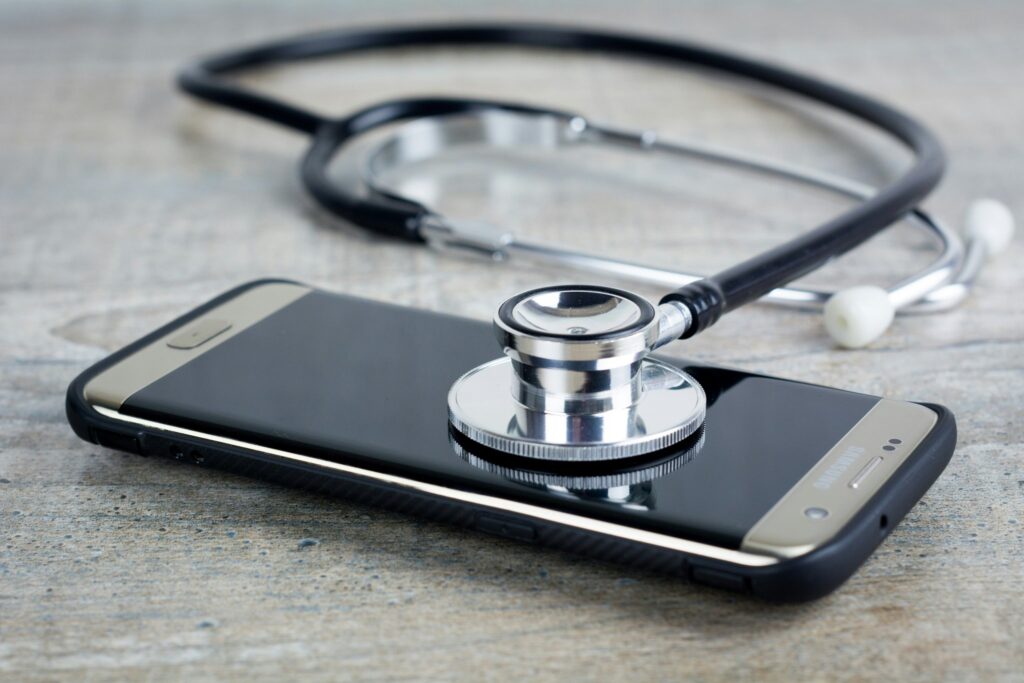
Stress detection tech isn’t about reading your mind—it’s about listening to your body’s whispers before they become screams. Chronic stress silently fuels everything from hypertension to burnout, yet most people detect it too late. That’s where wearable sensors and smartphone apps step in, offering real-time biofeedback based on objective metrics.
I learned this the hard way. Two years ago, I was running a mental health startup, sleeping 5 hours a night, and telling myself I was “fine.” My Whoop strap kept flagging my recovery score as “poor” for weeks. I ignored it—until I collapsed during a team meeting from adrenal fatigue. My mistake? Treating the data as noise instead of a distress signal.
Today’s stress detection ecosystem includes:
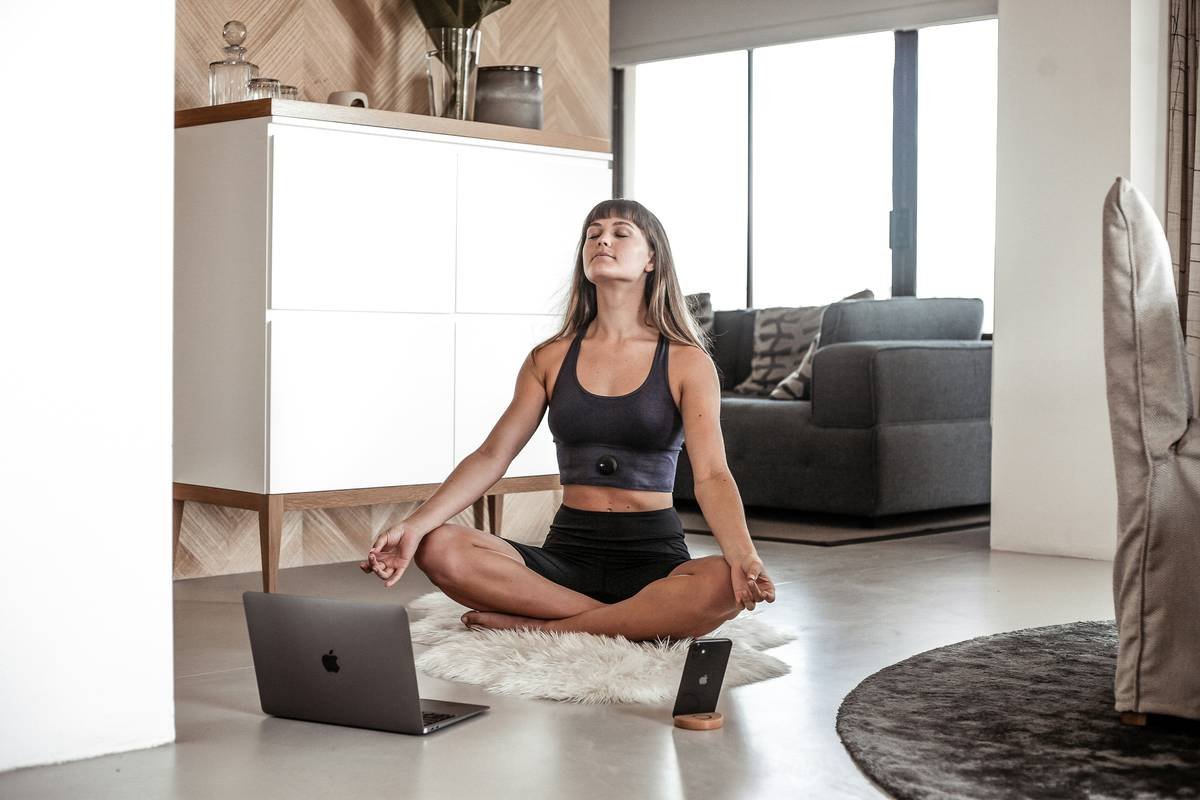
- Wearables (Oura Ring, Garmin, Apple Watch) tracking heart rate variability (HRV)
- Mobile apps (Welltory, MoodMission, Sanvello) using phone cameras or connected devices
- Emerging AI tools analyzing voice tone, typing speed, or even facial micro-expressions
But here’s what Big Wellness won’t tell you: accuracy varies wildly. A 2022 study in Nature Digital Medicine found that consumer-grade HRV trackers correlated with clinical stress markers only 68–82% of the time—good, but far from perfect.
How Stress Detection Tech Actually Works (Spoiler: It’s Not Magic)
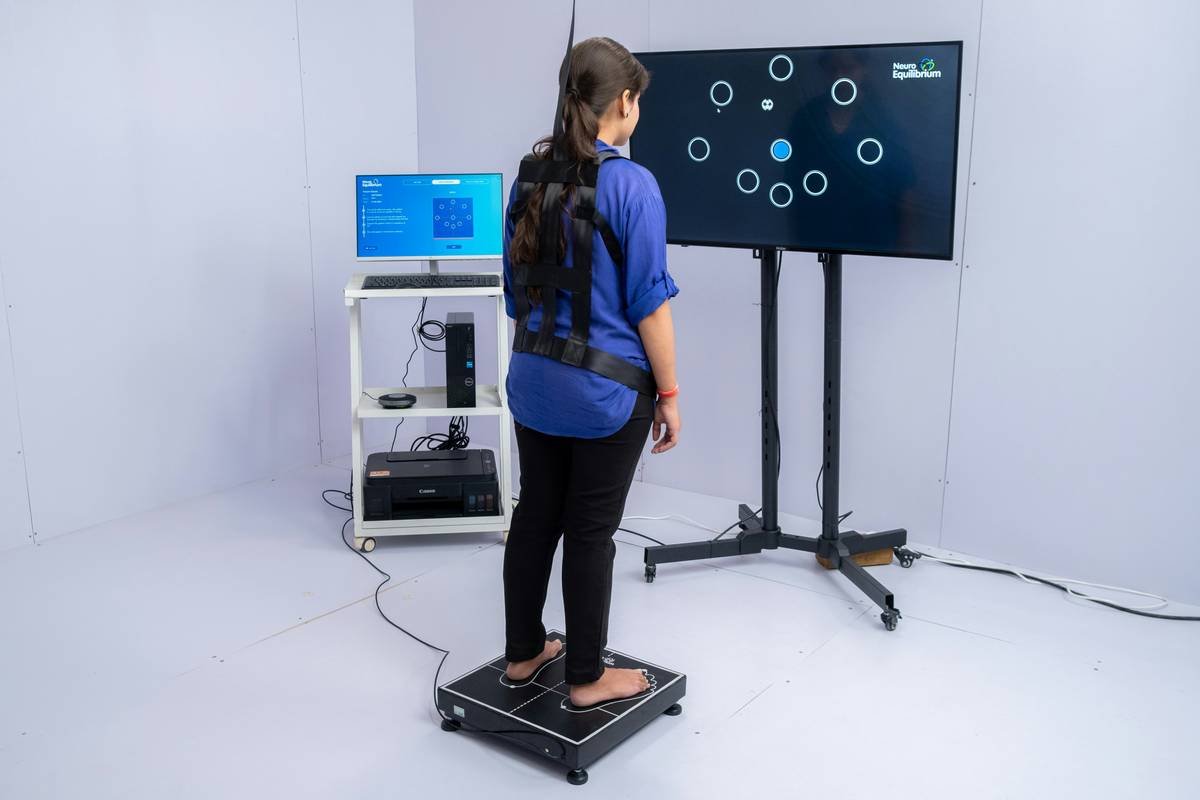
Let’s demystify the black box. Stress detection tech relies on three core biomarkers:
How Does Heart Rate Variability (HRV) Reveal Stress?
HRV measures the millisecond gaps between heartbeats. High HRV = resilient nervous system. Low HRV = your body’s stuck in fight-or-flight. Devices like the Oura Ring or Elite HRV app track this nightly. Fun fact: elite athletes use HRV to avoid overtraining—so should you.
Can Your Phone Camera Really Detect Stress?
Yes—but with caveats. Apps like Welltory use your phone’s camera to measure blood flow changes via photoplethysmography (PPG). Place your finger over the lens for 60 seconds, and it estimates HRV. It’s shockingly decent (study shows ~85% correlation with chest straps), but lighting and skin tone can skew results.
What About Voice and Typing Analysis?
Startups like Cogito and VocaliD analyze speech patterns for stress cues (e.g., higher pitch, faster pace). Meanwhile, keyboard dynamics—typing speed, backspaces—can flag cognitive load. Cool? Yes. Ready for prime time? Not yet. These are still in research phases (IEEE, 2021).
Optimist You: “This tech could prevent burnout before it starts!”
Grumpy You: “Great. Now my watch judges me for skipping meditation. Pass the coffee.”
5 Best Practices for Using Stress Detection Tools Without Losing Your Mind
Here’s how to harness stress detection tech without spiraling into biohacking paranoia:
- Use trends, not single data points. One low HRV reading means nothing. Look for patterns over 7–14 days.
- Pair data with context. Did your HRV tank after an all-nighter? That’s useful. Don’t blame it on “stress” if you drank three espressos at midnight.
- Choose clinically validated apps. Skip anything that promises “instant calm” or uses vague terms like “energy balancing.” Stick to apps cited in journals like JMIR mHealth.
- Set usage boundaries. Check your stats once daily—max. Obsessive monitoring = more stress, not less.
- Combine with behavioral tools. Use alerts to trigger breathwork (box breathing), not panic. Example: When HRV drops 15%, start a 4-minute Paced Breathing session via the Breathwrk app.
🚫 Terrible Tip Alert!
“Download every stress app and cross-reference them for ‘maximum accuracy’.” NO. This creates decision fatigue and data overload—the exact opposite of calm. Pick one reliable tool. Master it. Move on.
Real People, Real Results: Case Studies That Prove It Works
Case Study 1: The Overworked Nurse
Maria, an ER nurse in Chicago, used the Welltory app with her Apple Watch for 8 weeks. Initially skeptical, she noticed her HRV consistently crashed on shift-change days. She started doing 10-minute diaphragmatic breathing sessions post-shift. Result? Her average HRV increased by 22%, and self-reported anxiety dropped from 7/10 to 3/10 (per her journal logs).
Case Study 2: The Remote Worker Burnout Spiral
Dev, a software engineer, wore an Oura Ring during a high-stakes product launch. His recovery score stayed “red” for 11 days straight. Instead of pushing harder, he enforced a 6 p.m. hard stop and used the Sanvello app’s CBT exercises. Within two weeks, his sleep efficiency jumped from 76% to 89%.
These aren’t miracles—they’re examples of tech acting as a mirror, not a crutch.
FAQs About Stress Detection Tech
Is stress detection tech covered by insurance?
Rarely for consumers—but some employers offer subsidized programs (like Calm or Headspace at Work). In clinical settings, FDA-cleared devices like the Muse headband may be reimbursable for anxiety disorders.
Can these apps replace therapy?
Absolutely not. They’re screening tools, not treatment. If your app flags chronic stress, talk to a licensed professional. Think of it like a thermometer: it tells you you’re feverish—but doesn’t cure the flu.
Do free stress apps work?
Most free apps (e.g., basic versions of Moodfit) lack sensor integration and rely on self-reports, which are notoriously unreliable under stress. You get what you pay for.
How accurate is my Apple Watch for stress?
It estimates stress via HRV + activity data—but Apple doesn’t market it as a “stress detector.” Third-party apps like Elite HRV improve accuracy by syncing raw data.
Conclusion
Stress detection tech isn’t a crystal ball—but it *is* a powerful early-warning system when used wisely. The goal isn’t perfect data; it’s better self-awareness. Choose tools backed by science, ignore the noise, and remember: the best stress management still happens offline—through rest, connection, and boundaries.
So go ahead—let your ring or watch whisper, “Hey, breathe.” But don’t forget: you’ve got the wisdom inside you already. The tech just helps you listen.
Like a Tamagotchi, your nervous system needs daily care—not constant staring.